
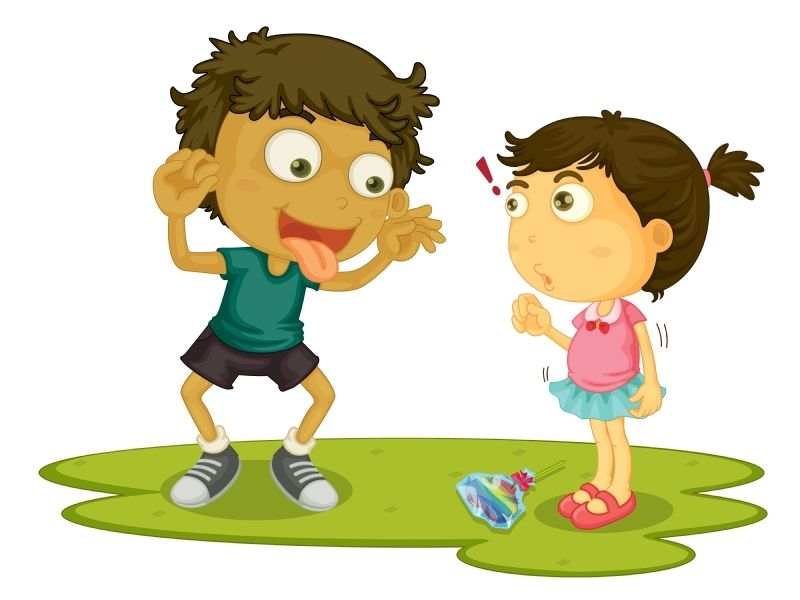
What would you do here? I’m sure she’s not innocent in all this (they are 5!). How do you talk to your young kid about this in a way that’s supportive and with teachers about this in a way that’s collaborative? I’m a bit sad that all this is already happening!
— School Beef
School Beef: Thank you for writing in; I have clear memories of my first child coming home from preschool with stories full of hurt, injustice and flat-out meanness. Despite knowing better, I was shocked that someone could be unkind to my special flower of a child, but alas, this is life. Every human gets their turn to be mean and to be the target of the meanness.
You are wise to recognize that your daughter is not faultless, even if it isn’t useful to categorize the children’s behavior into “innocent” and “guilty” labels. Five-year-olds are all over the place, developmentally and emotionally speaking. You will find some who communicate with the wisdom of Yoda, while other 5-year-olds struggle with any level of vulnerability. Sensitivities also differ wildly. Some children bounce back from insults and slights, whereas others seem to take the shots right to the heart.
Your safest first step is to advocate for all the children through the school. Call the teacher and say, “Simon and Janet are exchanging some mean phrases; have you seen anything? Can you keep your eyes and ears peeled for anything that seems over the line?” Teachers of young children see most of the shenanigans, but there is a chance that they aren’t catching the exchanges. The teachers are truly your only route toward helping the kids. You can also say: “Janet is reporting comments being made about her appearance. I know they are young, and there may be a back and forth happening here; would you mind giving me a head’s up if you see anything?” Most schools will stop the comments about others’ appearances as soon as they hear it, but it is worth emailing or asking to come in. Keep the conversation with the teacher more curious and non-accusatory. Ask if there is anything you can do to help at home.
As the teacher handles the classroom, you can work on responding to your kid’s complaints in a way that centers her feelings. If your almost 5-year-old comes home and says, “Simon is mean,” and you respond, “We don’t speak like that, that’s not nice,” the child learns to not share her emotions with her parents. If your child comes home with “Simon is mean,” and you pour a cup of tea and say, “Tell me every single thing that he said to you, when and where,” and begin a CSI-level investigation, you are still teaching your child that her feelings don’t matter because that’s not what’s being discussed. The middle way is […]
View this full article on The Washington Post
Looking for more parenting support? Click Here.
Sign up for my Newsletter here to get this in your inbox every week!